
Teens vs Adults in TEFL: What Actually Changes in the Classroom?
16th February 2026Walk into a classroom of 15-year-olds and you’ll feel the energy instantly. Walk into a room full of adult professionals and you’ll feel something different.
For TEFL teachers, understanding the psychological and practical differences between teaching teens and adults isn’t optional. It’s important.
Globally, English remains the most studied second language, with over 1.5 billion learners worldwide. But not all learners learn the same way. Teens and adults bring diverse motivations, cognitive strengths, and classroom dynamics and surprisingly, some similarities too.
Let’s break it down.
Motivation: Exterior vs Purpose-Driven
Teenagers are frequently externally motivated. Exams, parental expectations, peer comparison, these are strong drivers. Many are studying English because it’s required.
Adults, on the other hand, are typically purpose-driven. They are learning English to:
- Advance their careers
- Relocate internationally
- Improve business communication
- Increase earning potential
This is particularly evident in business English TEFL environments, where learners expect immediate, practical outcomes. Adults want relevance. If they can’t use it tomorrow, they question why they’re learning it today.
For teachers trained through business English teacher training courses, understanding goal-oriented instruction becomes crucial.
Cognitive Method: Flexibility vs Experience
Teens usually have stronger language attainment flexibility. Their brains adapt quickly to pronunciation, accent patterns, and grammar structures.
Adults may take slightly longer with pronunciation or new grammar patterns, but they compensate with:
- Better analytical skills
- Stronger discipline
- Clear learning strategies
- Real-world context
In fact, adult learners frequently excel in planned environments like tefl teaching business English because they can instantly connect language to meetings, emails, negotiations, and presentations.
Teens learn fast. Adults learn purposefully.
Classroom Energy & Management
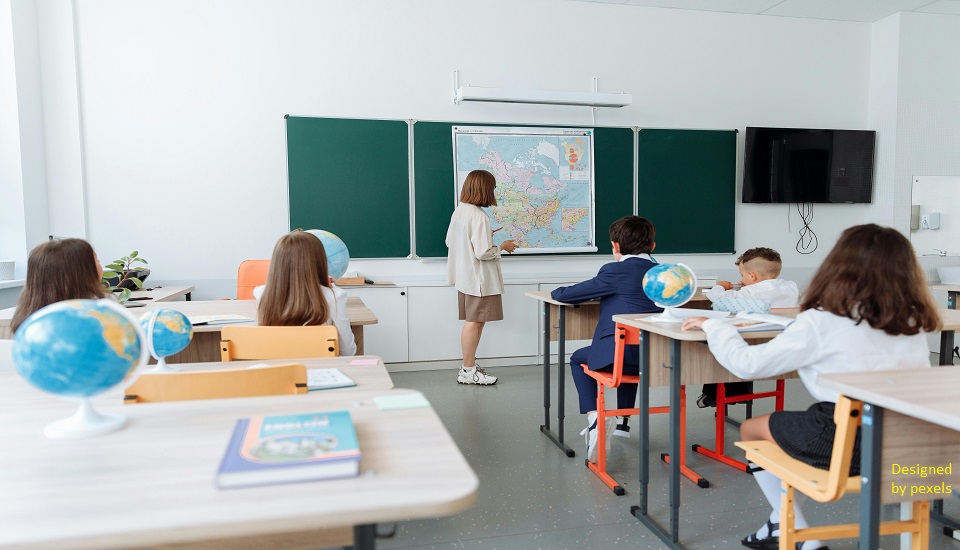
Here’s where the biggest contrast appears. Teen classrooms often require active engagement strategies:
- Interactive games
- Group competitions
- Visual aids
- Movement-based activities
Without strong classroom structure, energy can quickly turn into distraction. That’s why a solid classroom management course is essential for TEFL teachers working with younger learners.
Adult classrooms are typically calmer but they bring their own challenges:
- Fear of making mistakes
- Low confidence
- Fixed learning habits
- Time constraints
Adults may not disturb the class, but they may disengage silently. Managing adult participation requires emotional intelligence more than discipline.
Feedback Understanding
Teens can be extremely sensitive to peer judgment. Public correction may discourage participation. Encouragement and positive reinforcement are powerful tools.
Adults, mostly professionals in business English TEFL settings, often appreciate direct and structured feedback as long as it’s respectful. They want to improve quickly and value correction when it’s constructive.
Understanding this nuance is part of what separates trained teachers from inexperienced ones.
Attention Length & Structure
Research suggests that teenagers benefit from shorter activity cycles, typically 10–15 minutes per task before attention shifts.
Adults can focus longer, especially if content is relevant. In corporate English settings, 60–90 minute focused sessions are common, provided the material connects directly to their goals.
This difference impacts lesson planning significantly.
A teacher who has completed a teaching young learners course will design movement-based, varied lessons for teens. A teacher trained in business English teacher training courses will prioritise simulations, case studies, and role-plays for adult professionals.
Different audiences. Different design policies.
The Surprising Similarities
Despite these differences, some fundamentals remain universal. Both teens and adults:
- Want to feel respected
- Respond well to encouragement
- Need structured progression
- Thrive when lessons are meaningful
- And most importantly both want to feel successful
Confidence-building is as important for a 16-year-old preparing for exams as it is for a 40-year-old preparing for an international presentation.
Good TEFL teaching isn’t about age. It’s about understanding human learning.
The Real Skill: Adaptability
The global English language teaching market continues to grow, especially in corporate training and young learner segments. Teachers who can confidently move between teen classrooms and professional business English environments have a significant career advantage.
That adaptability doesn’t happen by accident. It comes from targeted training, practical exposure, and understanding learner psychology. Whether through a classroom management course, a teaching young learners course, or specialised business English TEFL preparation, structured training equips teachers to adjust tone, pace, and strategy.
Final Thought
Teaching teens requires energy management. Teaching adults requires expectation management. But both require empathy, preparation, and strategy. The best TEFL teachers with business english teacher training courses aren’t those who prefer one age group over another. They’re the ones who understand the differences and master the similarities. Because at the end of the day, every learner walks into a classroom with the same silent question:
“Can I really do this?”
And it’s the teacher’s job to make the answer yes.